1. What calcium carbonate grades suit a Raymond mill?
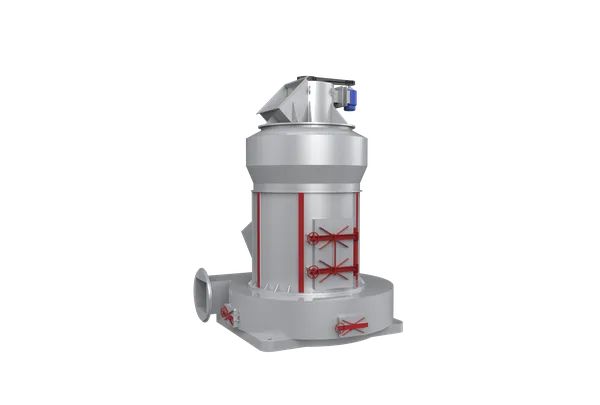
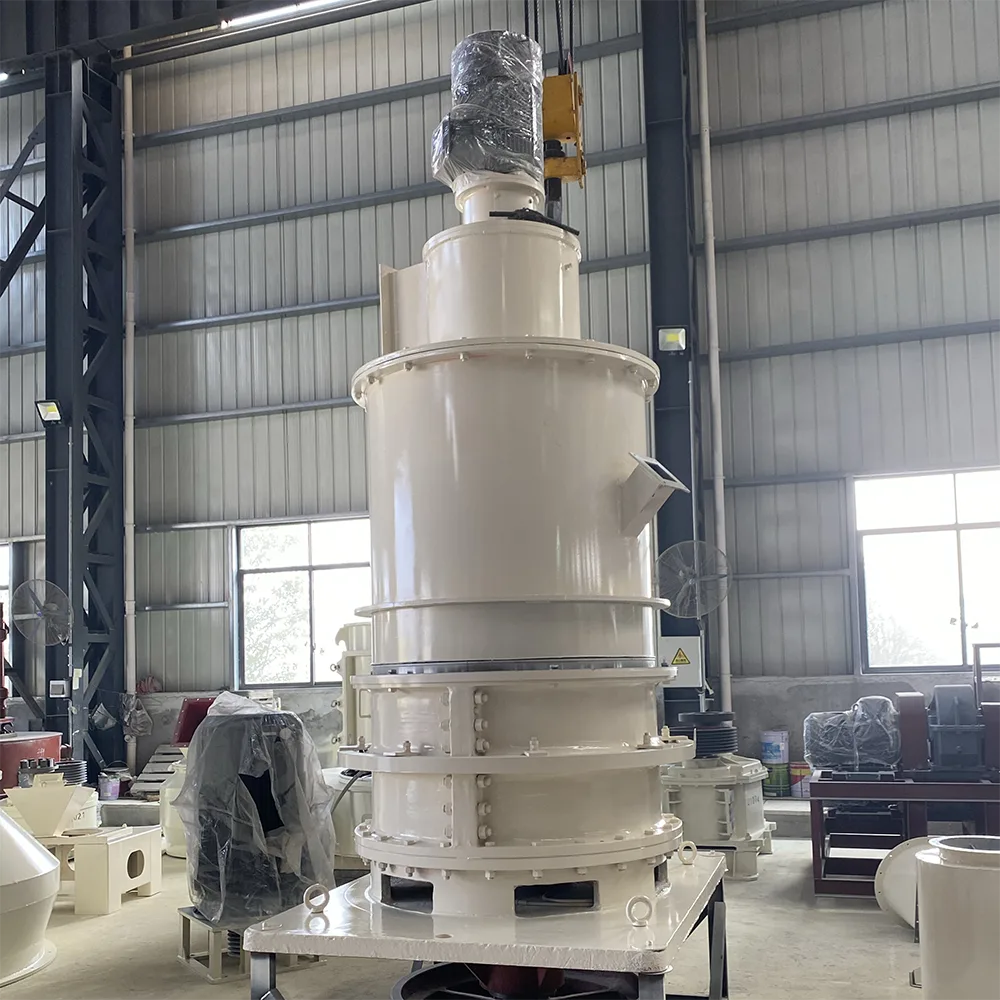
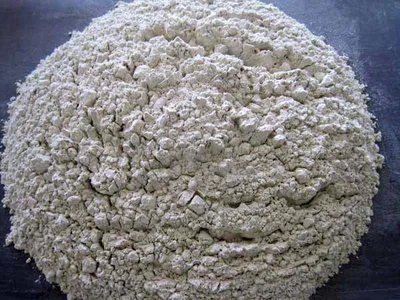
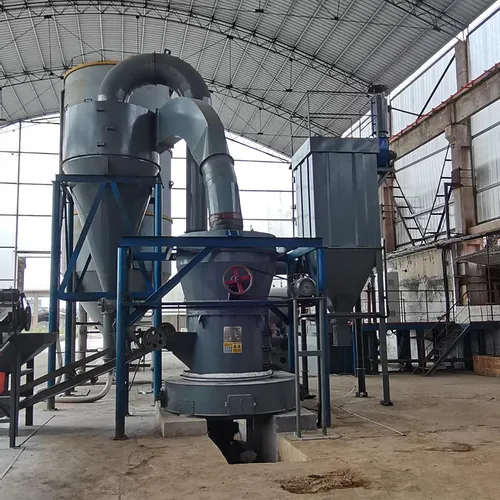
CRRM is normally the economical choice for general GCC from about 80 to 400 mesh, including construction filler, putty, PVC and many coating or rubber grades. Confirm the required D97, not only mesh.
2. Can CRRM produce 40-mesh powder?
The broader Raymond application range can include coarse grades near 40 mesh with a suitable classifier and circuit. The current catalog table rates listed models mainly at 80-325 or 80-400 mesh, so coarse configuration should be confirmed during selection.
3. What capacity can I expect?
The current CRRM catalog lists 1-28 t/h across standard models on a calcium carbonate basis. Harder feed, finer product and higher moisture generally reduce output.
4. What feed size and moisture are required?
Maximum feed is 20-35 mm by model. The supplied product literature describes mineral feed below 6% moisture; lower, stable moisture usually improves flow and classification.
5. How does the classifier control fineness?
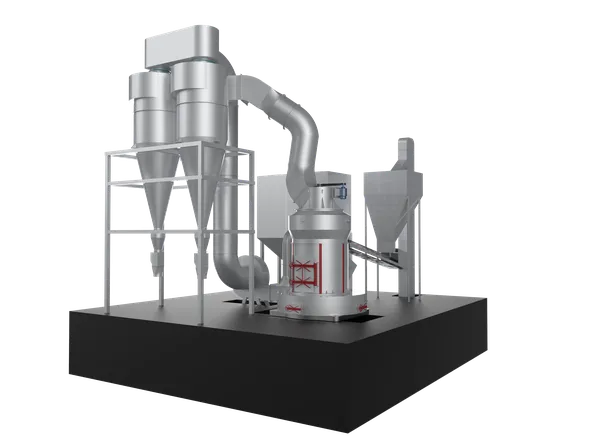
Air velocity and classifier speed determine which particles leave the circuit. Coarse particles fall back to the grinding zone, while qualified fines move to the collector.
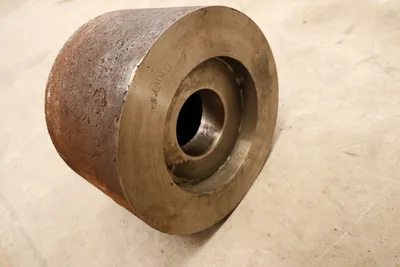
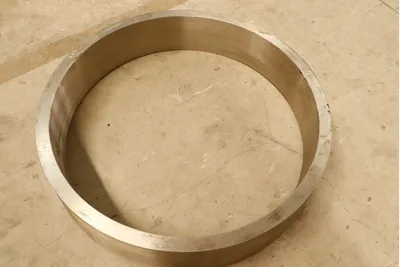
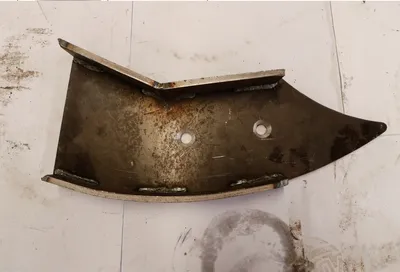
6. Which parts wear fastest?
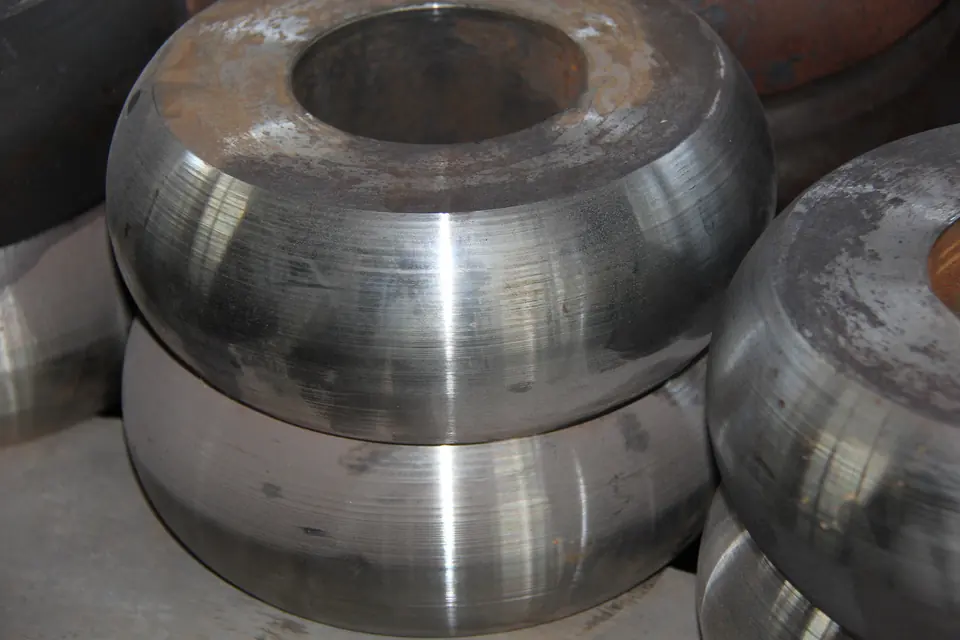
Grinding rollers, rings and shovel blades are the primary wear items. Life depends on abrasiveness, feed contamination, fineness, loading and operating hours.
7. Is a Raymond mill fully automatic?
The mill can be supplied with conventional controls or an integrated one-touch control and alarm package. The complete automation scope also depends on feeders, silos, packing and customer DCS requirements.
8. Raymond mill or ball mill for GCC?
Raymond grinding is generally more compact and simpler for dry fine-powder grades. Ball mills can suit high-volume or special closed-circuit duties, but require a different investment, classification and maintenance analysis.
9. How is dust controlled?
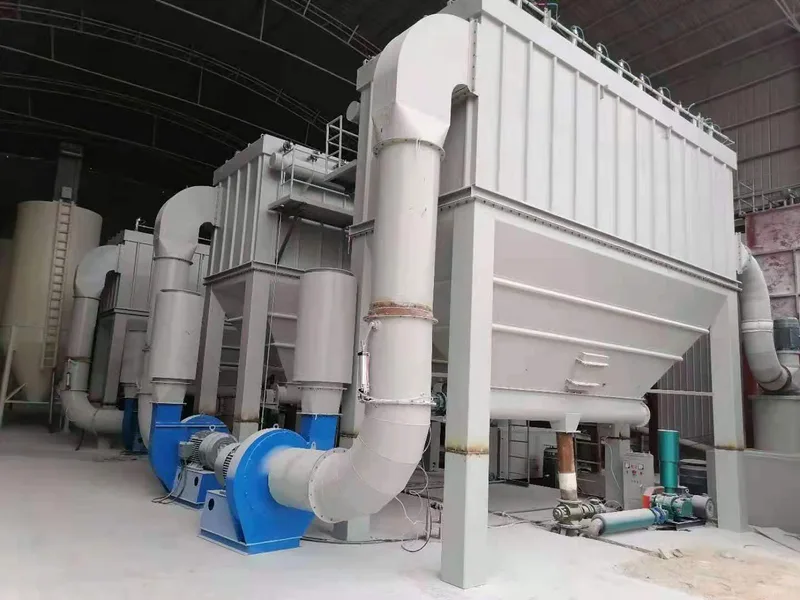
A sealed air circuit, cyclone or collector and pulse bag filter capture product and clean the final air stream. Local emission limits determine final filter design.
10. What information is needed for a firm quotation?
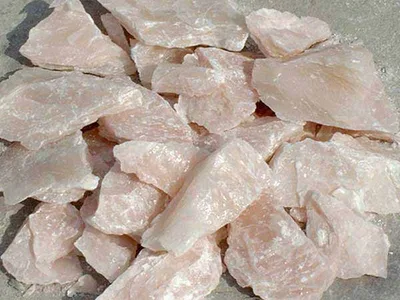
Send material name and sample, feed size, moisture, target D97 or mesh, required t/h, end use, voltage/frequency and site altitude.
1. What is an ultrafine ring roller mill?
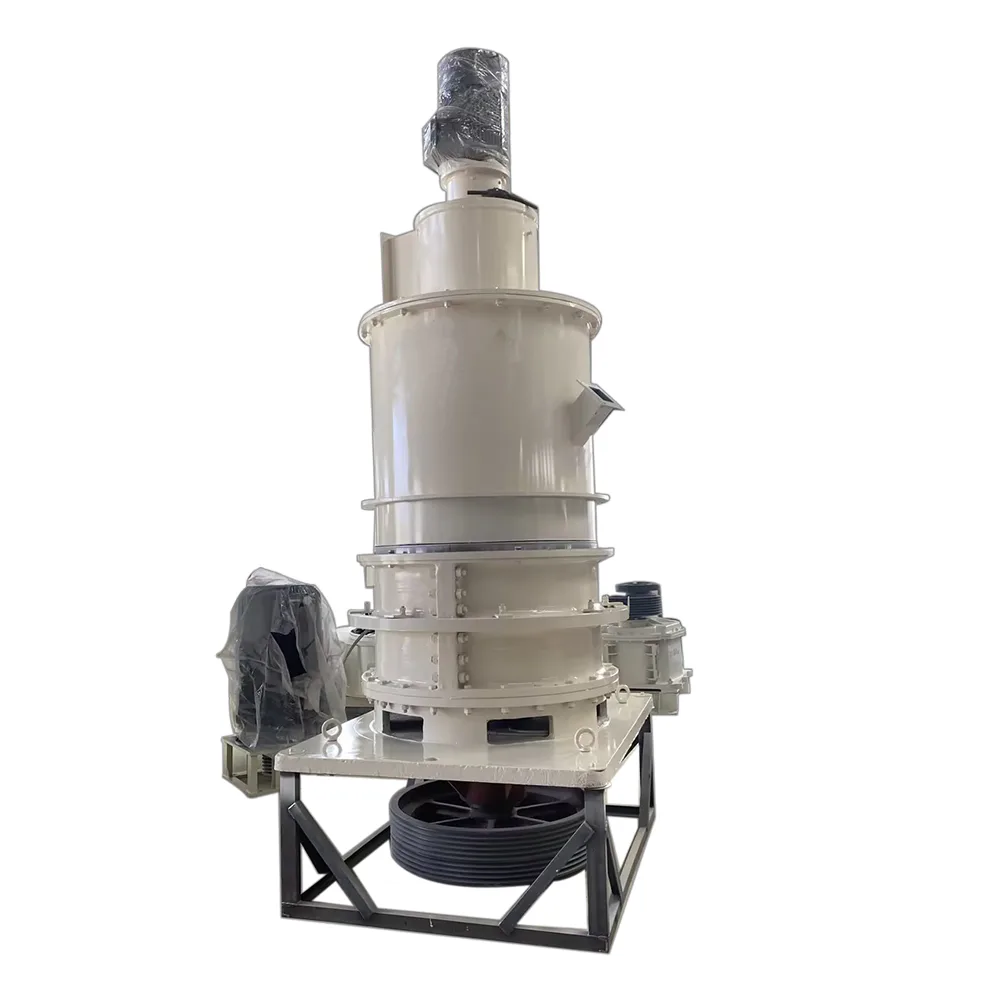
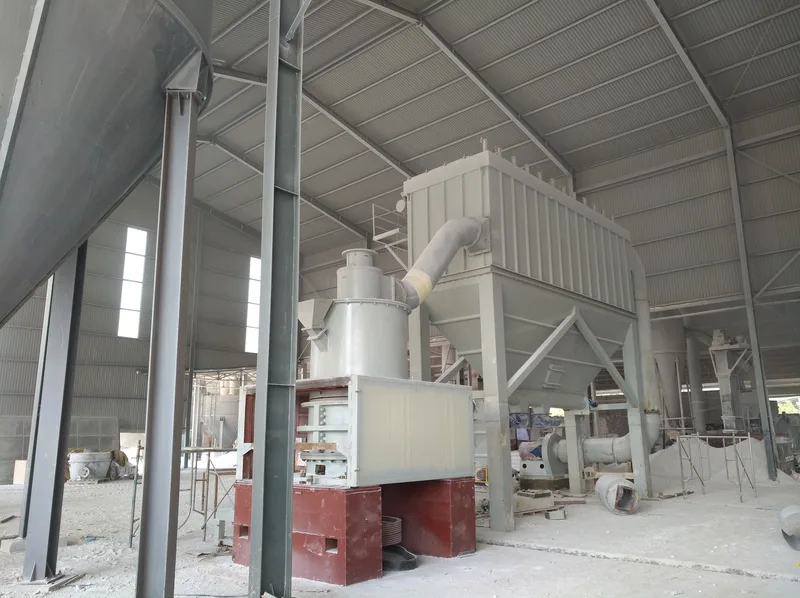
It is a dry mill using multiple rollers and rings in successive grinding zones, followed by a dynamic air classifier. It produces fine powder without the grinding media used in a ball mill.
2. What fineness can CRGM achieve?
The current catalog lists 5-74 μm (200-2500 mesh) for CRGM60/80 and 7-74 μm (200-2000 mesh) for CRGM100/125. A 3000-mesh request must be verified by sample test and D97 measurement.
3. Can CRGM reach D97 ≤ 5 μm?
The catalog states one-pass D97 ≤ 5 μm capability under suitable conditions. Real performance depends on mineral breakage, feed preparation, classifier setup and required throughput.
4. What materials can it process?
It is intended for brittle materials below Mohs hardness 6, such as calcite, marble, dolomite, barite, talc, gypsum, kaolin, bentonite and selected specialty minerals.
5. What is the standard system scope?
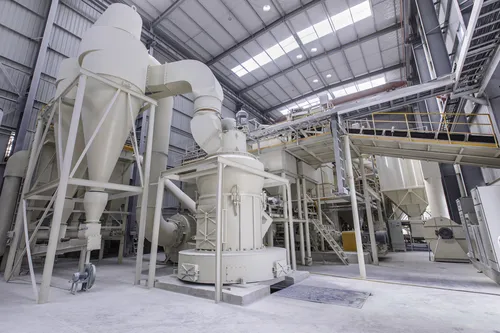
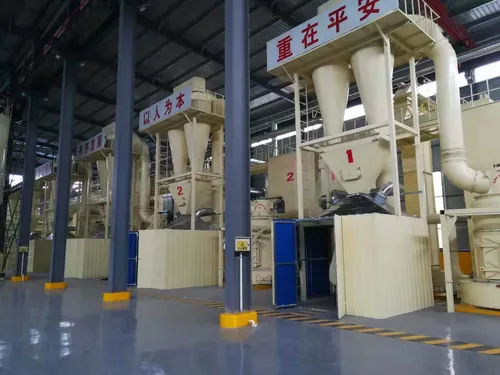
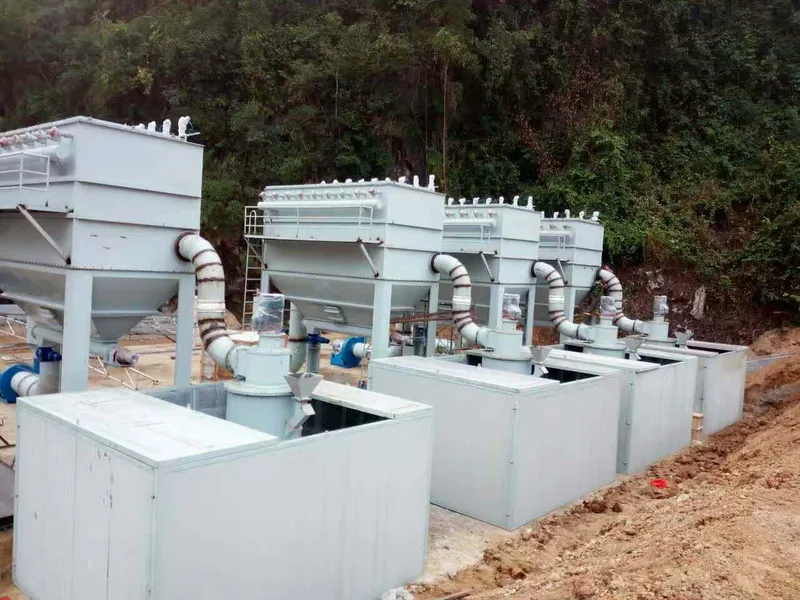
Main unit, classifier, double cyclone, pulse bag filter, blower, motors, pipework and muffler. Crusher, elevator, feeder, silos, control cabinet and packing are configured to the project.
6. Why use PLC and VFD control?
PLC sequencing supports safe startup and shutdown. Variable-frequency control allows the classifier, fan and feed rate to be tuned for product fineness and stable mill load.
7. What are the main wear parts?
Grinding rollers and rings carry the main wear load. Turntables, pins, classifier impeller, filter bags, seals and discharge components also need scheduled inspection.
8. Is surface coating included?
Surface modification is an optional downstream stage. The correct modifier, dosage and coating temperature depend on the polymer or formulation.
9. How do I compare power consumption?
Compare kWh per tonne at the same feed, D97, throughput and product yield. Nameplate power alone does not represent actual specific energy.
10. When should I not choose CRGM?
Do not select it only because the target is described as “fine.” If 325-mesh commodity powder is acceptable, a Raymond mill may deliver a better return. Very abrasive, wet, sticky or hazardous feed also requires separate evaluation.